

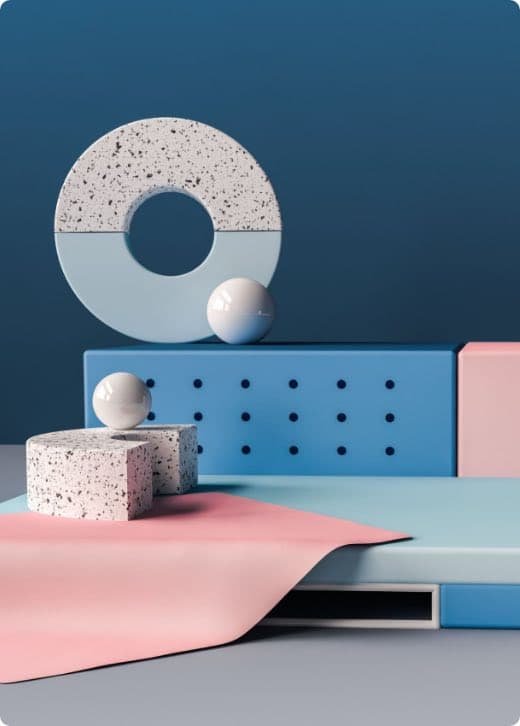
Creative patterns and vibrant design with luckywave for modern interior aesthetics

- Creative patterns and vibrant design with luckywave for modern interior aesthetics
- Embracing Fluidity in Modern Spaces
- The Psychology of Curve
- Color Palettes Inspired by the Ocean and Sky
- Layering Textures for Depth and Dimension
- Integrating ‘luckywave’ into Different Room Styles
- Adapting the Style to Small Spaces
- The Role of Lighting in Enhancing the Effect
- Beyond Aesthetics: Creating a Holistic Environment
Creative patterns and vibrant design with luckywave for modern interior aesthetics
The pursuit of unique and captivating interior design often leads homeowners and designers alike to explore innovative patterns and textures. Among these emerging trends, the aesthetic embodied by the term “luckywave” is gaining significant traction, representing a harmonious blend of organic forms and vibrant colors. It's about creating spaces that feel both dynamic and peaceful, reflecting a sense of optimism and flow. This approach transcends mere decoration; it's about crafting environments that resonate with personal style and inspire a sense of well-being.
This design philosophy isn’t simply about following a trend, it's a deliberate choice to infuse interiors with a sense of movement and energy. Whether through textiles, wall coverings, or artistic installations, the principles behind this aesthetic emphasize the importance of visual rhythm. A space designed with this in mind encourages interaction and invites exploration, moving away from static, predictable arrangements. It's a subtle but powerful shift in how we perceive and experience our surroundings, aiming for a holistic and uplifting atmosphere.
Embracing Fluidity in Modern Spaces
The core concept of this design style centers around mimicking the natural curves and flowing motion found in elements like water, waves, and wind. This isn't about literal representations, but rather an abstraction of these forms, translating them into patterns, textures, and color palettes. The beauty lies in the subtle dynamism created – a feeling of constant, gentle movement that breathes life into a room. It’s a rejection of rigid lines and harsh angles, favoring instead a softer, more organic approach. Designers are increasingly incorporating rounded furniture, flowing draperies, and undulating wall treatments to achieve this effect. This focus on fluidity extends beyond the visual, influencing spatial planning and the way we navigate a room. Open layouts and strategically placed curves can guide the eye and create a sense of effortless flow, enhancing the overall experience of the space.
The Psychology of Curve
The human brain is naturally drawn to curves, associating them with safety, comfort, and the natural world. Unlike sharp angles which can evoke tension and anxiety, curves offer a sense of calm and reassurance. This inherent psychological response is why designers are strategically employing curved lines in furniture, architecture, and decorative elements. They tap into our subconscious preferences, creating spaces that feel instinctively welcoming and harmonious. The gentle embrace of a curved sofa, the soft arc of a hallway, or the flowing lines of a wallpaper pattern can all contribute to this effect. Understanding this psychological impact allows designers to create spaces that are not only visually appealing but also deeply restorative and emotionally grounding.
| Design Element | Application of Fluidity |
|---|---|
| Furniture | Curved sofas, rounded chairs, wave-shaped coffee tables. |
| Wall Treatments | Undulating wallpaper, textured paint, arched doorways. |
| Lighting | Organic-shaped lamps, flowing pendants, diffused light sources. |
| Textiles | Wavy patterns, soft draping, flowing fabrics. |
Integrating these elements requires careful consideration of scale and proportion. Too much curve can feel overwhelming, while too little can diminish the desired effect. The key is to strike a balance, using curves as accents to soften harsh lines and create points of visual interest. The thoughtful application of fluid forms transforms a space, making it more inviting, comfortable, and emotionally resonant.
Color Palettes Inspired by the Ocean and Sky
The aesthetic frequently draws inspiration from the natural world, particularly the ocean and sky. Color palettes typically feature a range of blues, greens, and aquamarines, evoking a sense of tranquility and openness. These hues are often paired with softer, more muted tones like creams, grays, and sandy beiges, creating a harmonious and balanced effect. The emphasis is on creating a soothing and restorative atmosphere, rather than a bold or attention-grabbing statement. However, this doesn't mean that color is avoided altogether. Accents of coral, gold, or even deep indigo can be introduced to add depth and visual interest. The key is to maintain a sense of cohesion and avoid clashing colors. A well-chosen color palette can dramatically impact the mood of a room, enhancing the overall sense of well-being and creating a space that feels both inviting and inspiring.
Layering Textures for Depth and Dimension
To truly capture the essence of this style, it's essential to layer textures. Combining smooth and rough surfaces, matte and shiny finishes, and organic and geometric patterns adds depth and visual complexity. Think of a room featuring a velvet sofa paired with a textured rug, a linen armchair alongside a polished metal side table. These contrasts create a sense of tactile richness and invite exploration. The layering of textures is particularly effective when working with neutral color palettes. It prevents the space from feeling flat or monotonous, adding subtle interest and visual appeal. Incorporating natural materials like wood, stone, and bamboo further enhances this effect, grounding the space in the natural world.
- Consider using natural fiber rugs (jute, sisal, wool) for textural contrast.
- Incorporate woven baskets or rattan furniture for a touch of organic warmth.
- Utilize textured wall coverings (grasscloth, linen) to add depth and dimension.
- Layer different fabrics on sofas and chairs to create a cozy and inviting atmosphere.
- Introduce tactile accessories like ceramic vases, stone sculptures, or wooden bowls.
The strategic use of texture elevates the design beyond mere aesthetics, appealing to our sense of touch and creating a more immersive and sensory experience. This careful consideration of materials and surfaces is paramount for achieving a truly captivating and harmonious interior.
Integrating ‘luckywave’ into Different Room Styles
The versatility of this aesthetic lies in its ability to seamlessly integrate into various interior styles, from minimalist to bohemian. In a minimalist setting, the focus would be on using subtle curves and flowing lines to soften the overall aesthetic. Think of a simple, rounded dining table or a curved headboard in a bedroom. In a more eclectic or bohemian space, the style can be expressed through layering textures, incorporating vibrant colors, and adding organic shapes. It’s about finding a balance between the bold and the serene. The beauty is that it doesn't require a complete overhaul of an existing design scheme. Rather, it’s about adding thoughtful accents that enhance the overall atmosphere. For example, a few strategically placed curved mirrors or a piece of flowing artwork can instantly transform a room, infusing it with a sense of energy and movement.
Adapting the Style to Small Spaces
Even in smaller spaces, the principles of this aesthetic can be effectively applied. Using light colors and flowing patterns can create the illusion of spaciousness. Incorporating curved furniture can help to maximize functionality without sacrificing style. Avoid overcrowding the space with too many accessories. Instead, focus on a few carefully chosen pieces that add texture and visual interest. Mirrors are particularly effective in small spaces, reflecting light and creating a sense of openness. The key is to embrace simplicity and prioritize functionality. A small space doesn’t have to feel cramped or restrictive. By strategically incorporating the principles of this design, you can create a space that feels both comfortable and inviting.
- Utilize light and airy color palettes to maximize the sense of space.
- Incorporate curved furniture to optimize functionality and create a softer aesthetic.
- Use mirrors strategically to reflect light and create the illusion of spaciousness.
- Avoid overcrowding the space with unnecessary accessories.
- Focus on incorporating textures and patterns that add visual interest without feeling cluttered.
Ultimately, adapting this aesthetic to a smaller space is about being mindful of scale and proportion. By carefully selecting furniture and accessories, you can create a space that feels both stylish and functional.
The Role of Lighting in Enhancing the Effect
Lighting plays a crucial role in accentuating the flowing forms and vibrant colors inherent in the aesthetic. Soft, diffused lighting is generally preferred over harsh, direct light. This creates a more relaxed and inviting atmosphere, enhancing the sense of calm and tranquility. Consider using a combination of ambient, task, and accent lighting to create depth and dimension. Organic-shaped lamps and pendants can further reinforce the flowing lines of the design. The use of warm-toned light bulbs is also recommended, as they create a more inviting and cozy atmosphere. The goal is to create a lighting scheme that complements the overall design, rather than overpowering it. Strategically placed lighting can highlight architectural features, emphasize textures, and create a sense of visual harmony.
Think about incorporating smart lighting systems that allow you to adjust the intensity and color temperature of the lights throughout the day. This allows you to tailor the atmosphere to your specific needs and preferences, creating a more dynamic and responsive living space. The interplay of light and shadow is an integral part of this aesthetic, and mastering this element is key to achieving a truly captivating interior.
Beyond Aesthetics: Creating a Holistic Environment
The principles of this aesthetic extend beyond mere visual appeal. It’s about crafting a holistic environment that supports well-being and fosters a sense of connection. This includes paying attention to factors such as air quality, acoustics, and even the scents within a space. Incorporating natural elements, such as plants and water features, can further enhance the sense of tranquility and connection to nature. Consider using natural materials that are sustainable and environmentally friendly. This not only adds to the aesthetic but also promotes a sense of responsibility and ethical consciousness. The idea is to create a space that nourishes both the body and the soul, fostering a sense of balance and harmony. A truly successful application of these design concepts doesn’t just look good; it feels good to be in.
This approach also encourages a more mindful approach to consumption. Choosing quality pieces that will stand the test of time, rather than disposable trends, is a key aspect of creating a sustainable and lasting design. Ultimately, this style is about more than just decorating a space; it’s about creating a sanctuary – a place where you can relax, recharge, and connect with what truly matters. It's a space that reflects your personal values and supports your overall well-being, inviting you to experience a greater sense of joy and fulfillment.