

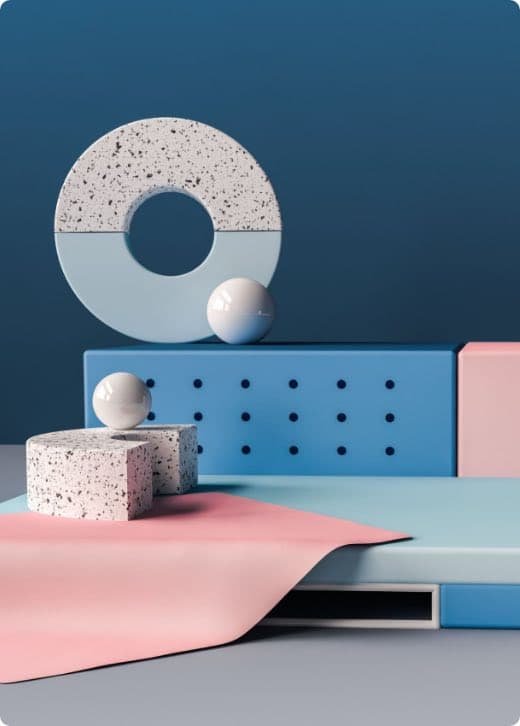
Digital artistry and innovative design with vega-stars-3.pages.dev showcase compelling futures

- Digital artistry and innovative design with vega-stars-3.pages.dev showcase compelling futures
- The Core Principles of Modern Digital Artistry
- The Role of Software and Hardware
- Building an Online Presence for Digital Artists
- Leveraging Social Media Platforms
- The Importance of Digital Art for Branding
- Elements of Successful Brand Design
- The Future of Interactive Art Experiences
- Expanding Horizons: Digital Art and Emerging Technologies
Digital artistry and innovative design with vega-stars-3.pages.dev showcase compelling futures
The digital landscape is in constant flux, demanding innovative approaches to design and artistic expression. Individuals and organizations are continually seeking platforms to showcase creativity and explore new possibilities. One such platform, vega-stars-3.pages.dev, represents a compelling space for digital artists and designers to present their work and engage with a broader audience. It’s a testament to the evolving nature of online portfolios and the increasing accessibility of tools for visual communication.
This evolving digital realm isn't just about presenting finished products; it’s about the process, the experimentation, and the storytelling behind the artwork. Platforms like this facilitate a direct connection between creator and consumer, bypassing traditional gatekeepers and fostering a more intimate artistic experience. The future of digital artistry relies on adaptability and a willingness to embrace emerging technologies. Exploring these avenues allows for a democratization of art, enabling a wider range of voices and perspectives to be heard and seen.
The Core Principles of Modern Digital Artistry
Modern digital artistry transcends the limitations of traditional mediums, offering artists a virtually limitless canvas. It’s not simply about replicating traditional art forms digitally; it’s about leveraging the unique capabilities of software and hardware to create entirely new aesthetics and experiences. This includes everything from 3D modeling and animation to interactive installations and generative art. The core principle lies in understanding the tools available and pushing their boundaries to achieve a desired effect. Digital artists are often as much technologists as they are artists, constantly learning and adapting to new software updates and hardware innovations. The blending of technical skill and creative vision is what truly defines this field.
The Role of Software and Hardware
The evolution of software like Adobe Photoshop, Illustrator, and Blender, alongside powerful hardware such as graphics tablets and high-resolution displays, has fundamentally changed how art is created. These tools provide artists with precise control over every aspect of their work, allowing for intricate details and complex compositions. The availability of these tools at relatively affordable prices has also democratized the field, making it accessible to a wider audience. However, it’s important to remember that the tools are merely instruments; the skill and creativity of the artist remain paramount. Mastering these tools requires dedication and a willingness to experiment.
| Software | Description |
|---|---|
| Adobe Photoshop | Industry-standard image editing and manipulation software. |
| Adobe Illustrator | Vector graphics editor for creating scalable artwork. |
| Blender | Free and open-source 3D creation suite. |
| Procreate | Powerful digital painting app for iPad. |
The increasing processing power of computers and the development of specialized hardware, such as graphics cards and pressure-sensitive tablets, has also played a crucial role. These advancements enable artists to work with larger files, create more complex scenes, and achieve greater levels of realism in their work. Ultimately, the synergy between software and hardware empowers artists to bring their visions to life.
Building an Online Presence for Digital Artists
In today’s digital age, having a strong online presence is essential for any artist looking to gain recognition and connect with potential clients or collaborators. A portfolio website serves as a virtual gallery, showcasing an artist’s best work and providing a platform for self-promotion. Beyond a simple online gallery, it's about building a brand, establishing credibility, and fostering a community around one's work. Social media platforms also play a vital role, allowing artists to share their work with a wider audience, receive feedback, and engage in discussions with other creatives. The challenge lies in navigating the crowded online landscape and effectively communicating one's artistic vision.
Leveraging Social Media Platforms
Platforms like Instagram, ArtStation, and Behance provide artists with dedicated spaces to showcase their work and connect with other artists and art enthusiasts. Each platform has its own unique strengths and weaknesses, so it’s important to tailor content accordingly. Instagram, for example, is a visually-driven platform that’s ideal for sharing quick glimpses of work in progress or finished pieces. ArtStation is more geared towards professional artists and is a great place to showcase detailed portfolios and receive constructive criticism. Behance is a platform for showcasing design work and is often used by artists to find freelance opportunities. Consistent posting, engaging with followers, and using relevant hashtags are all essential for maximizing reach and visibility.
- Regularly post high-quality images of your work.
- Use relevant hashtags to increase visibility.
- Engage with your followers and respond to comments.
- Participate in art challenges and online communities.
Effective utilization of social media requires a strategic approach. Simply posting artwork without any context or engagement is unlikely to yield significant results. Building a community around one's work requires consistent effort and a genuine interest in connecting with others. It's also important to be mindful of the platform's algorithms and adapt one's strategy accordingly.
The Importance of Digital Art for Branding
In the modern business world, strong branding is crucial for success. Digital art plays an increasingly important role in shaping brand identity and communicating a company’s values to its target audience. Whether it’s creating logos, designing marketing materials, or developing website graphics, digital art is at the forefront of visual communication. The key is to create a visual language that is consistent, memorable, and reflective of the brand’s personality. A well-crafted brand identity can differentiate a company from its competitors and build trust with its customers. The visual elements of a brand often evoke emotional responses, influencing consumer perception and ultimately driving sales.
Elements of Successful Brand Design
Successful brand design requires a holistic approach, considering all aspects of visual communication. This includes logo design, color palettes, typography, and imagery. The logo should be simple, memorable, and versatile, capable of being used across a variety of platforms and media. The color palette should be carefully chosen to evoke the desired emotions and associations. Typography should be legible and consistent with the overall brand aesthetic. Imagery should be high-quality and reflective of the brand’s values. Consistency is key – maintaining a consistent visual style across all touchpoints helps to reinforce brand recognition and build trust.
- Define your target audience and their aesthetic preferences.
- Develop a consistent visual style guide.
- Choose colors and typography that align with your brand’s personality.
- Ensure your logo is versatile and scalable.
Beyond the visual elements, it’s also important to consider the user experience (UX) of digital assets. A well-designed website or app should be easy to navigate and provide a seamless experience for users. The overall goal is to create a brand identity that is both visually appealing and functionally effective. Digital art is therefore, not simply aesthetic choice but a strategic tool for business success.
The Future of Interactive Art Experiences
The evolution of digital technology is paving the way for more immersive and interactive art experiences. Virtual reality (VR) and augmented reality (AR) are transforming the way we interact with art, allowing viewers to step inside artworks and engage with them in new and meaningful ways. These technologies offer the potential to create truly unforgettable artistic experiences, blurring the lines between the physical and digital worlds. Interactive installations, which respond to the viewer's movements or input, are also gaining popularity, creating a sense of agency and connection. The possibilities are endless, and artists are constantly exploring new ways to push the boundaries of what's possible.
The integration of artificial intelligence (AI) into the creative process is also a significant development. AI tools can assist artists with tasks such as generating variations of an artwork, automating repetitive processes, or even creating entirely new artworks based on specific parameters. This doesn't necessarily replace the artist's role but rather augments their capabilities, allowing them to focus on the more creative aspects of their work. Platforms like vega-stars-3.pages.dev are well-positioned to showcase and promote these emerging technologies and the artists who are pioneering them.
Expanding Horizons: Digital Art and Emerging Technologies
The interplay between digital art and emerging technologies is accelerating at an unprecedented pace. Blockchain technology, for example, is revolutionizing the art market, enabling artists to sell their work directly to collectors and verify its authenticity. Non-fungible tokens (NFTs) have created a new way to own and trade digital art, providing artists with greater control over their work and opening up new revenue streams. The metaverse, a virtual world where users can interact with each other and digital objects, also presents exciting opportunities for digital artists to create and showcase their work in immersive environments. These advancements are not just changing the way art is created and consumed; they are reshaping the entire art ecosystem.
Looking ahead, we can expect to see even more convergence between art and technology. The development of advanced sensors, haptic interfaces, and brain-computer interfaces will further enhance the immersive quality of digital art experiences. The democratization of tools and platforms will empower more artists to explore and experiment with these technologies, leading to a more diverse and vibrant creative landscape. The future of digital artistry is bright, and platforms that embrace innovation and foster collaboration will be instrumental in shaping its trajectory. The possibilities opened by the internet, exemplified by sites like vega-stars-3.pages.dev, are profound and continually expanding.